
Makerspaces in Brabant: ‘Together, we are building a strong maker network across Brabant’

31 May 2026

Space for experimentation, research and innovation for artists and makers is provided by the makerspaces TextielLab (TextielMuseum), EKWC and Make Eindhoven in Brabant. In these places, makers are able to further develop their practice while also contributing new work and ideas to the workshops themselves. In conversation with Nico Thöne, Director of Make Eindhoven, Hebe Verstappen, Head of TextielLab, and Geertje Jacobs, Director of EKWC, we discuss their respective makerspaces and the importance of these environments.

“Individually, the makerspaces are very strong in their own materials and techniques, but together we form a powerful network for makers and artists in Brabant. It is precisely this cross-material innovation, the focus on talent development and, above all, the opportunity for makers to develop professionally and artistically that makes this so strong. That is something we all strongly stand for,” says Hebe.
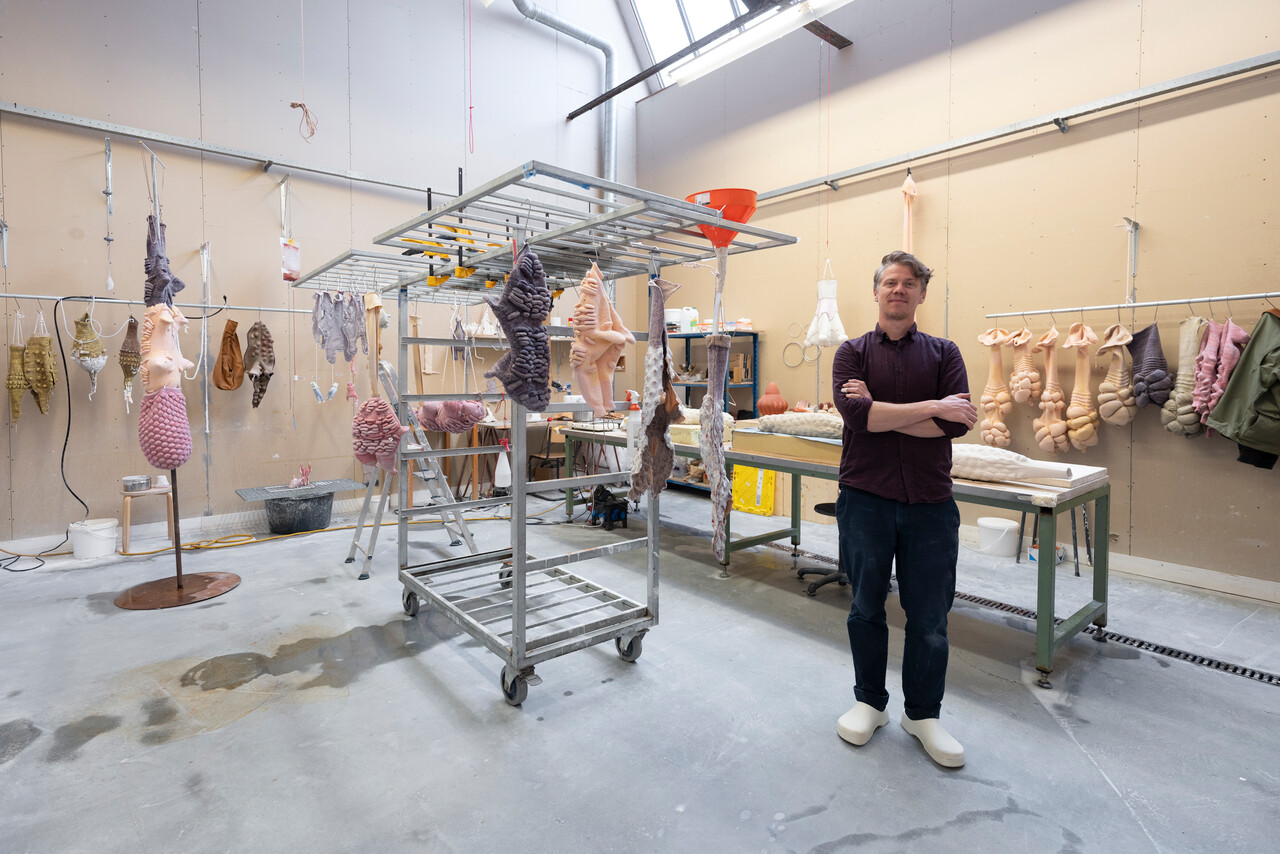
8ede7237-70ae-4786-9bfd-03e3c6f0ef66.jpg
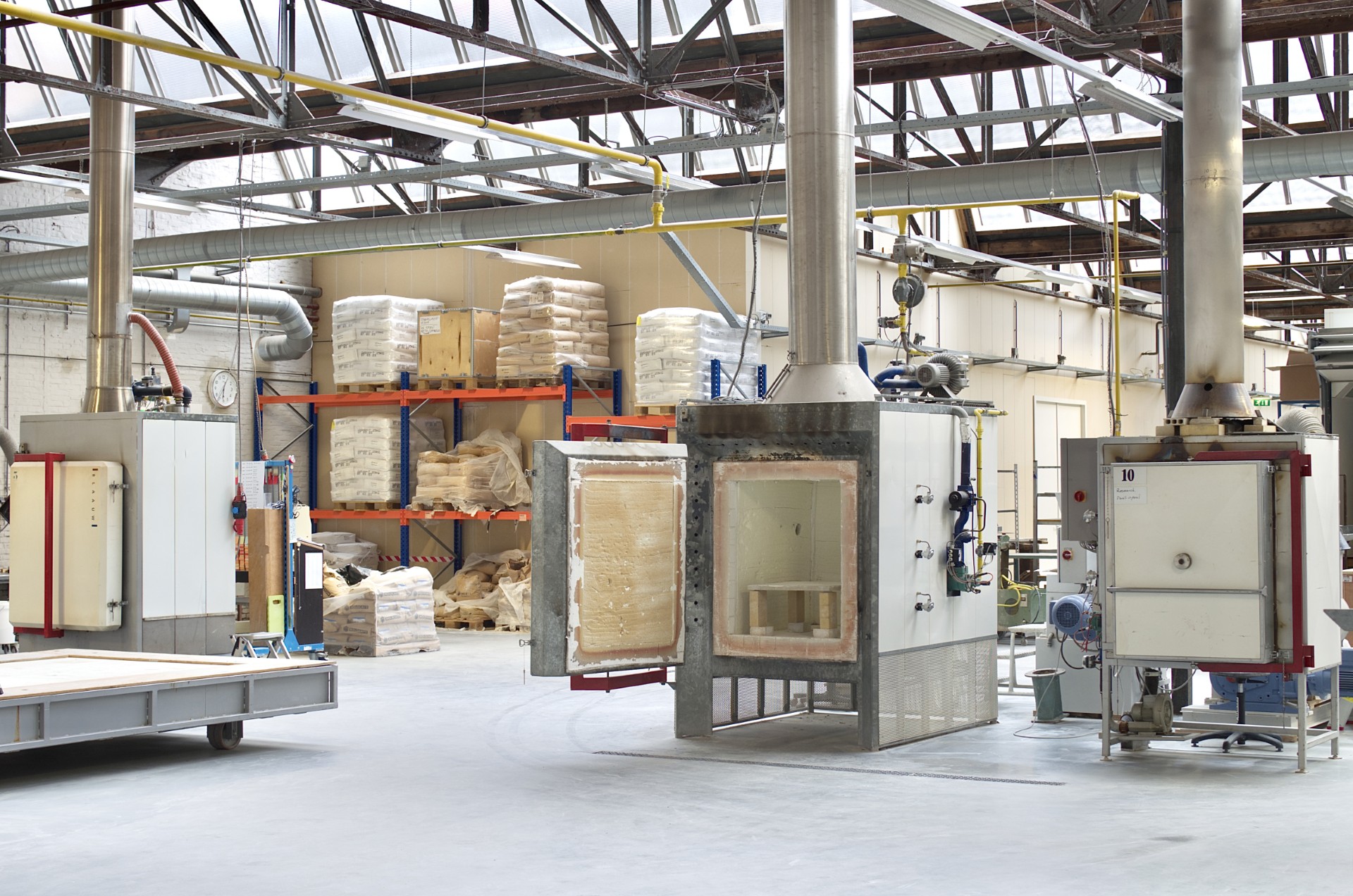
EKWC, Photo by Ad van Lieshout

“Brabant has been known for centuries for its strong industrial character, with Philips and the textile industry, but also for its practical craftsmanship. We all three share and express that pride. It is a region of workshops. I have been collaborating for years with EKWC (European Ceramic Work Centre) in Oisterwijk and Make Eindhoven,” says Hebe.
Brons gieten.JPG
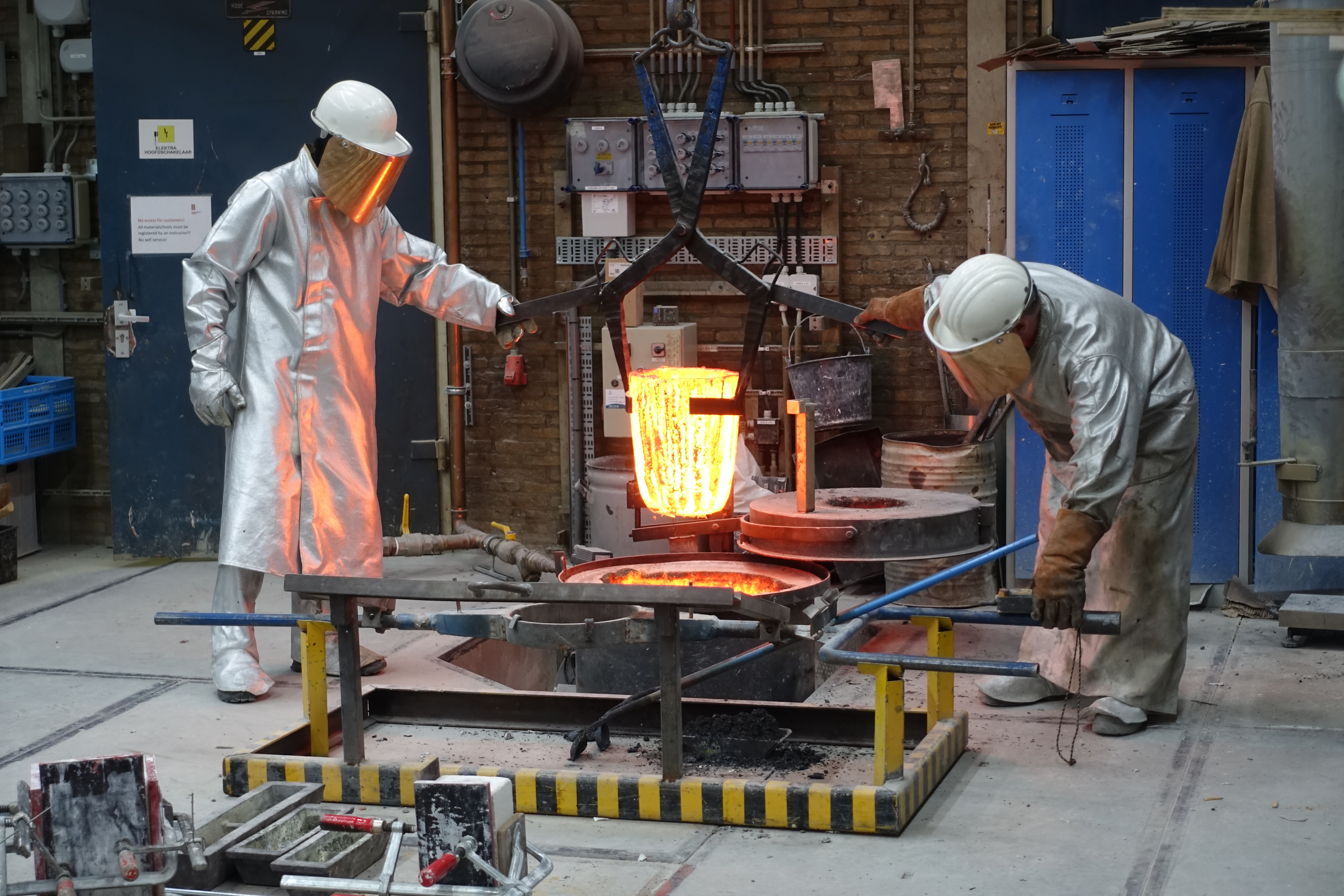
Bronze casting at Make Eindhoven.

Architect Colin Chudyk also worked at both TextielLab and EKWC during the same period. “Colin undertook a residency at EKWC, where he created moulds using textiles. We connected him with TextielLab, which led to a very successful collaboration. That is where the strength lies: in our physical proximity and in our ability to help artists move their work forward,” says Geertje.

“We have many conversations about themes such as finding young talent, sustainability, keeping craftsmanship alive and talent development. While we each have our own disciplines, it regularly happens that an artist works both with us and at EKWC on the development of their work. I certainly see opportunities to further strengthen that collaboration.”

Photo-Patty van den Elshout i.o.v. TextielMuseum-2025-044-023.jpg
Colin Chudyk at EKWC. Photo by Patty van den Elshout

Geertje also appreciates the proximity between TextielLab and Make Eindhoven: “We all run workshops for the arts. In terms of content and organisation, the coordination is very similar. It’s not a very large sector, so we regularly discuss shared challenges, such as: ‘How do you recruit new workshop staff?’

Playground for makers
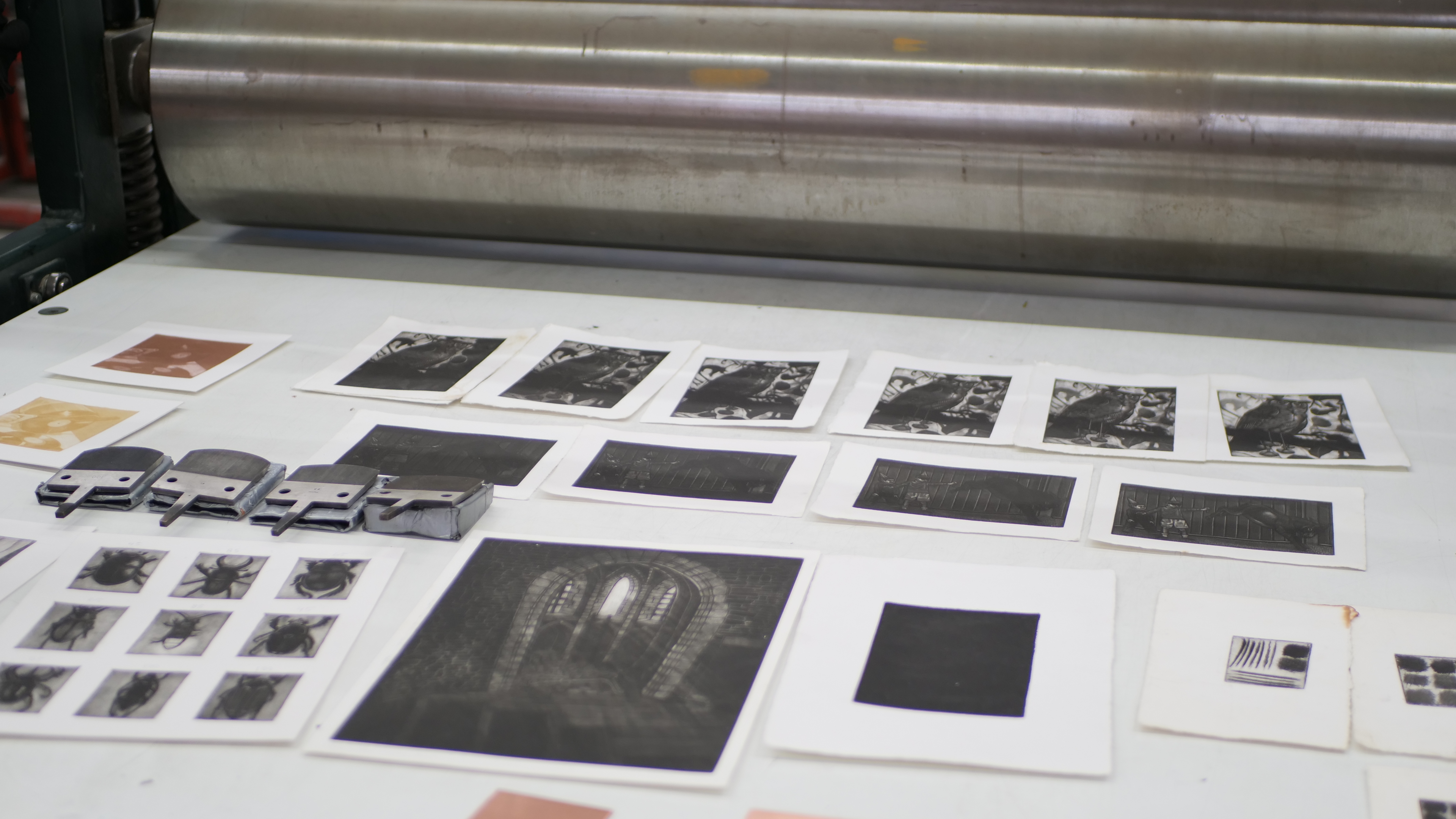
Nico also recognises that this combination of three technical workshops in Brabant, each with its own strengths, is unique. “Make Eindhoven focuses on research and innovation in metal casting, glass and graphic techniques, and more recently also CAD/CAM. That is a lab where makers work with computer-controlled machines such as 3D printers, CNC milling machines and laser cutters,” she says.
grafisch.JPG
Graphic techniques at Make Eindhoven

“We offer a playground of techniques, where curiosity comes first. Makers submit a project proposal, and if we see potential in it, they come and work in the workshop for a period of time. There, they receive guidance from skilled professionals. In the workshop, makers challenge existing techniques in unexpected ways. As a result, technicians discover new possibilities, and makers and craftspeople inspire one another. The space to take risks and engage in experimentation is also part of this. That is very much the case at the other makerspaces as well.”

Part of the community
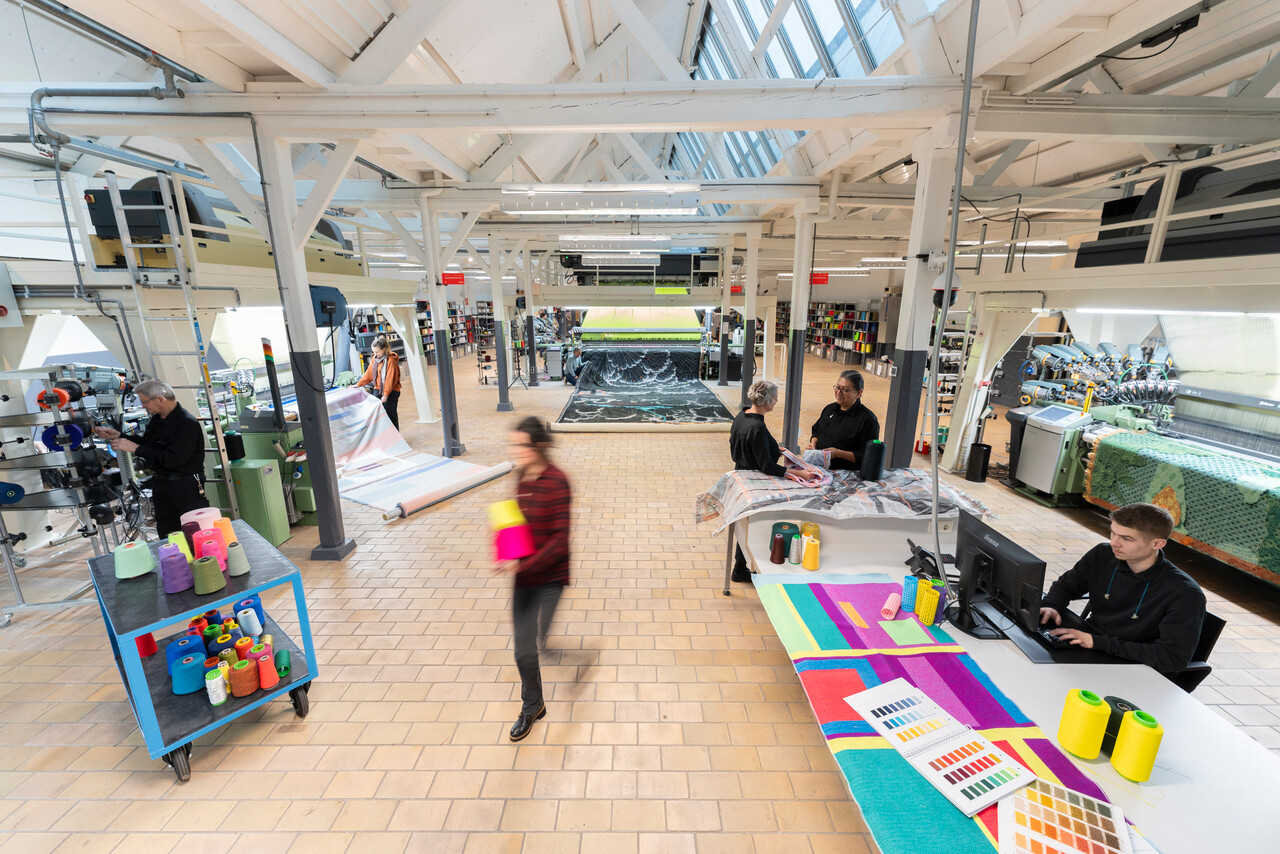
At the TextielLab, the professional workshop of the TextielMuseum in Tilburg, the focus is mainly on textile innovation. The industrial machines in the lab enable larger-scale projects. On average, around two hundred projects take place there each year.

“The great value for makers working with us or at the other makerspaces is that they gain access to a network of highly regarded curators, suppliers, fellow makers, workshop experts and museums. They really become part of that ecosystem after their trajectory with us,” says Hebe.

“There is so much benefit in that. You can conduct research without market pressure across all three of our spaces. You can experiment in an environment that introduces makers to new techniques and allows them to develop artistically. That works very well across all three of us.”

The same applies to the EKWC, an international workshop for artists and designers working experimentally with ceramics. Around 65 participants a year take part in an individual residency, living and working at EKWC for three months.

“You receive guidance tailored specifically to your project. The workshop experts teach makers how to apply ceramics in their work,” says Geertje. “We welcome many international artists, who often combine their residency with time at TextielLab or Make Eindhoven.”

Exhibition at TextielLab
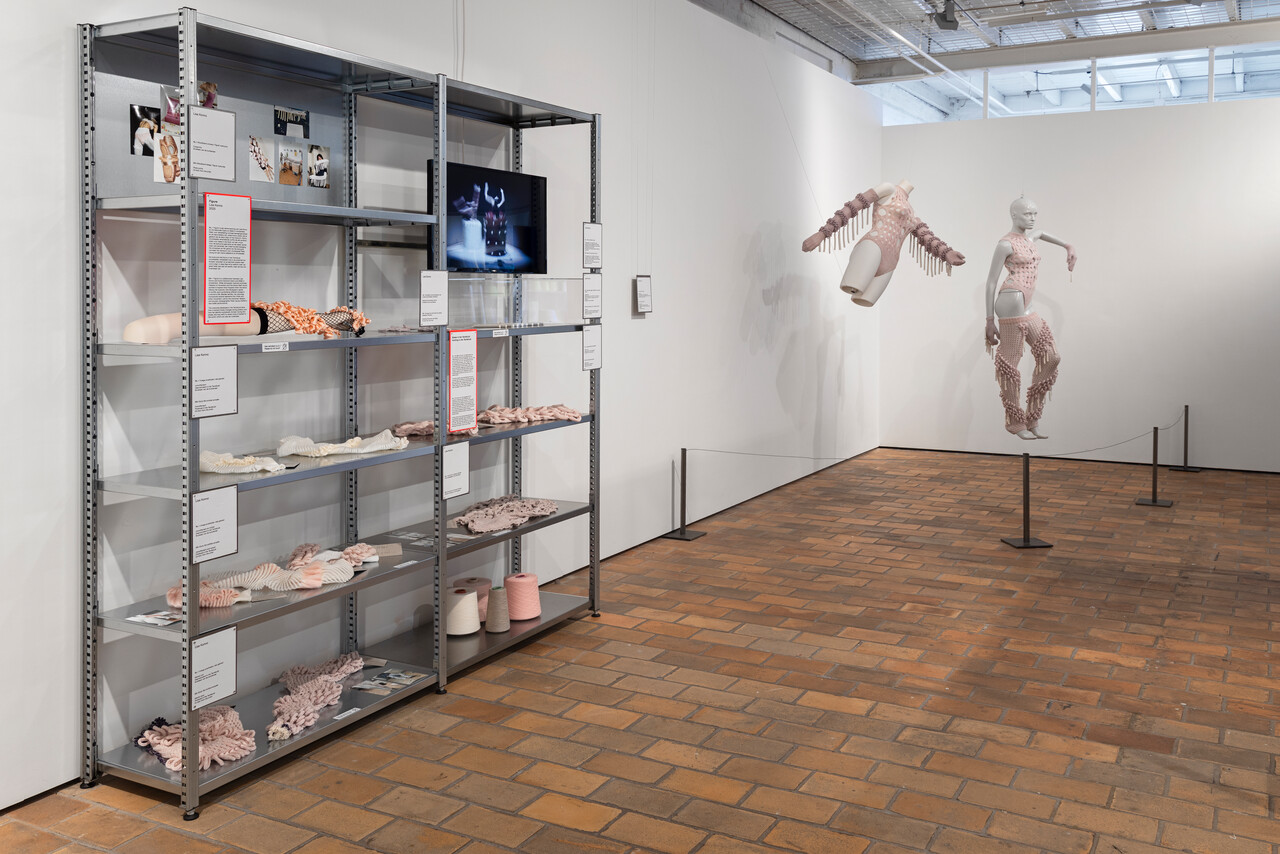
Collaborative projects between EKWC, Make Eindhoven and TextielLab therefore also take place regularly, Hebe explains. “For example, there was an exhibition by fashion designer and artist Lisa Konno shown in our Project Space, the presentation space next to TextielLab. She also worked at EKWC after creating costumes at TextielLab for the National Ballet. There, she developed ceramic works that responded to the costumes. That is of course extremely interesting.”

Photo-Josefina Eikenaar-TextielMuseum-2026-008-001 (1).jpg

Lisa Konno in the Project Space at the TextielLab. Photo by Josefina Eikenaar.

Also architect Colin Chudyk worked at both TextielLab and EKWC during the same period. “Colin created clay moulds with us and also wanted to work with textiles. In that case, I naturally refer him to TextielLab. That is where the strength lies: in our physical proximity and in our ability to help artists move their work forward,” says Geertje.

Shared database
Bringing the expertise and unique identities of TextielLab, EKWC and Make Eindhoven even closer together is a shared ambition of Nico, Hebe and Geertje. “I think it would be wonderful to develop a shared database, working open source. In that way, we could store and distribute knowledge across our makerspaces,” says Nico.

Geertje also envisions a future in which processes are even more driven by the needs of the maker. “For example, one single application covering all three workshops, so that we work more collaboratively. Coming together within the makerspaces, so that artists can learn something new at each location,” she says.

For Hebe, this close collaboration is equally valuable. “I think we could organise knowledge-sharing sessions for makers from all over the world. That is what makes these makerspaces so attractive; they already attract many international artists. At the same time, that brings a challenge, because often the work travels back with the maker once their residency ends.

But the international character is very positive, according to Hebe. “If we present ourselves even more as a ‘makers hub’ or creative campus, we can better focus on European funding opportunities, which would be very beneficial,” she says.

“We are so strong in cross-disciplinary innovation in Brabant, and that deserves even more visibility. These workshops are a place for makers to realise their dreams, where an open mindset is essential,” Hebe continues.

“It is not only about access to new techniques. Makers do not just leave with a final outcome — they take a whole suitcase of ideas and an expanded portfolio with them. That is what we enable, and that is what we must continue to stand for.”

Written by Simone Post